Crop Watch: BYDV strategy needs rethink and wheat T2 spray strategies
 © GNP
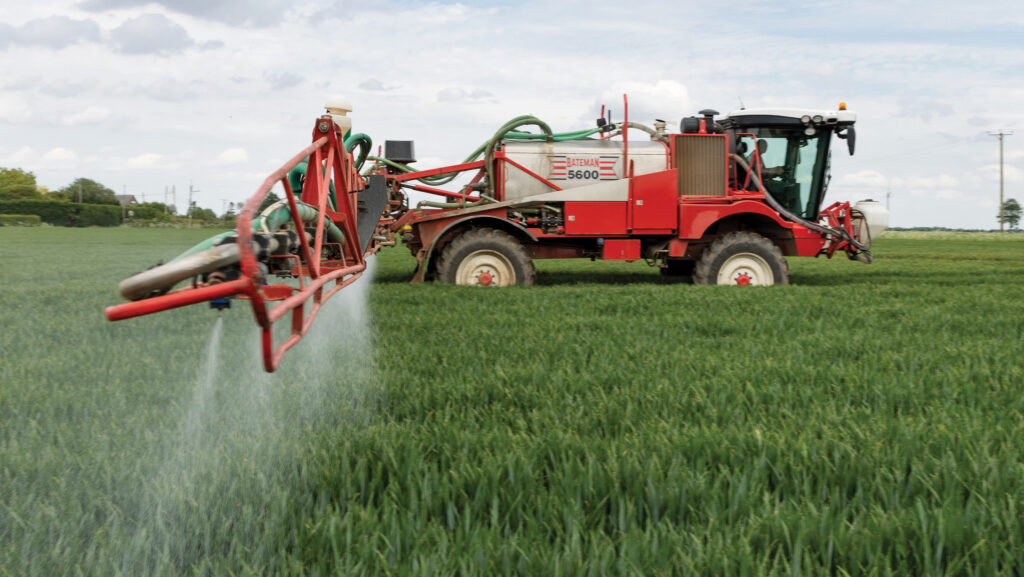
© GNP Barley yellow dwarf virus is becoming evident in cereals crops, resulting from the high aphid pressure being seen this spring.
Also this week, our agronomists discuss T2 fungicide options in wheat crops, weighing up disease pressure and yield potential.
See also: Fungicide application advice as wheat disease pressure remains high
North
Stephen Bell, Fane Valley (Northern Ireland)
Spring has finally arrived in Northern Ireland, providing a welcome opportunity to catch up with spraying and spring drilling.
Most spring cereal seed is now in the ground, while rising soil temperatures have also allowed good progress with planting potatoes, fodder beet and maize under plastic.
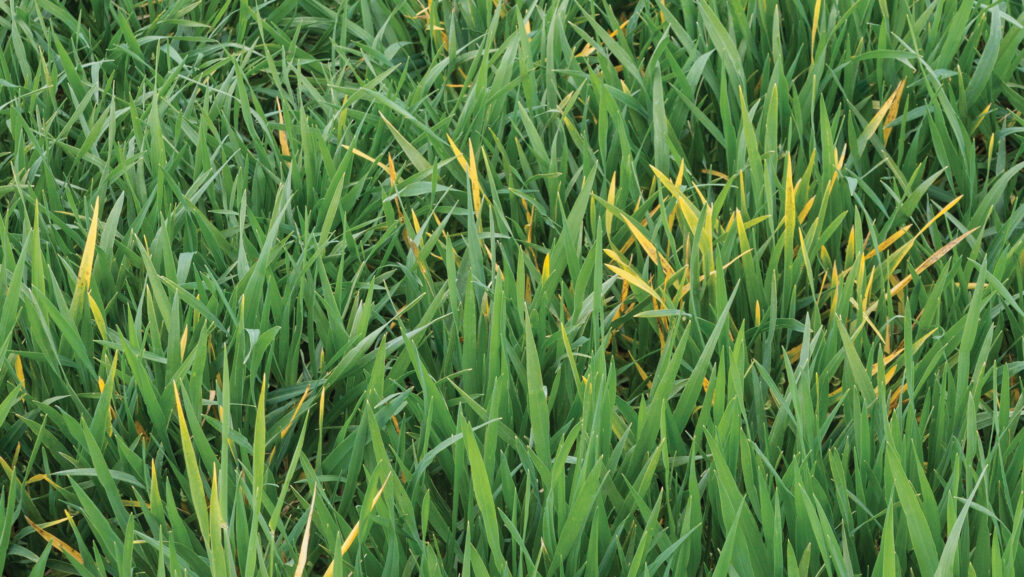
Winter barley crops are generally looking well, with little disease in the upper canopy, however, yellow tipping from barley yellow dwarf virus (BYDV) has become apparent over the past 10 days.
© Blackthorn Arable
Most hybrid crops have now received their T2 fungicide, with attention turning to two-row varieties as awns emerge.
The priority at this stage is to keep ramularia out for as long as possible and protect yield potential. Fungicide choices are typically based around stacked SDHI and SDHI/azole mixes plus folpet.
T1 sprays were typically applied to wheat crops two weeks ago and leaf two is now fully unrolled with the flag leaf just emerging in the most forward varieties.
Yellow rust has been an issue in susceptible varieties, especially where T0 sprays were missed because of prolonged wet weather and poor ground conditions.
T1 programmes were adjusted to help knock back infection and limit further spread, but crops still need close monitoring for flare-ups in this cool, dry, windy spell between T1 and T2.
T2 strategy
Septoria has been well controlled in most crops, with upper leaves clean at present, although the forecast for more showery weather could alter that as T2 approaches.
Fungicide choice at T2 will depend on what was used at T1, with some higher disease pressure crops already having received fenpicoxamid, leaving SDHI + azole options for flag leaf protection.
Oats have really moved forward in the past few weeks and are looking much healthier.
Flag leaves are now unrolled, and panicles should begin to emerge shortly. Once half-emerged apply the T2 to protect against crown rust using a SDHI plus azole/strobilurin mix.
As spring barley reaches the three-leaf stage target early growth regulation to encourage rooting, reduce apical dominance and promote tillering.
This is particularly important in a late season where time for tillering is limited and is also a useful timing to rectify any manganese deficiency and treat aphids where required.
West
Ben Allard, Pearce Seeds (Dorset, Wilts and Somerset)
It’s that time of year again when winter barley fields look picturesque, with the awns and ears now nearly fully emerged.
However, my winter barley this year is a mixed picture, with BYDV infection in certain areas being very high, clearly showing the impact it will have on crop yield.
While timings and best practice were followed in the autumn, some areas suffered worse than others, we now need to think about the way forward for winter barley.
In particular we are starting to question drilling dates and the switch over to BYDV tolerant/resistant varieties.
Big decisions will need to be made about how we take this crop forward now we are facing milder autumns, which result in higher aphid pressure for a longer period of time.
Barley crops that have not been impacted by BYDV are looking very good.
T2 spray
The most important fungicide timing for winter wheat is due.
Despite the lack of rain, there is still disease present lower down in the canopy, with crops drilled in mid to late September really carrying high levels of septoria pressure.
The threat of yellow rust is still present, and active spores can be seen lower down in the canopy and on older leaves.
We know that septoria can have a short latent period of 14-28 days and, with the unsettled weather forecast, this can create a real environment for it to thrive and threaten the flag leaf, which can contribute up to 45% of total yield.
As a result of this, and with unsettled weather forecast over the next 10 days, I have decided to adopt a more robust T2 strategy, centred on the use of Miravis (pydiflumetofen), which provides both protectant and eradicant activity against septoria.
This will be supported by partner products, particularly tebuconazole, to help keep on top of yellow rust pressure.
Decision making for T2 is always difficult when balancing the cost of application against the disease threat present.
But I always work with the attitude that it is better to go in robustly and provide protection over the coming weeks than having to go back in again and firefight disease pressure later, which will always cost more and increase the level of risk faced.
Maize drilling is now in full swing, with great progress being made over the past few weeks.
Drilling kicked off on 15 April, with those crops drilled then now nicely up in rows.
Seed-beds this year have been some of the best seen over the past few years, with good levels of moisture present and nice, even seed-beds, which should help with pre-emergence activity as well as aid good crop establishment.
However, it is becoming clear now that we could do with some more rain to help the maize along.
South
Anna Dunford, Hampshire Arable Systems/AICC (Hampshire, Surrey and Isle of Wight)
T2 fungicide applications in winter wheat will be nearing completion, targeting the flag leaf.
However, the flag leaf is noticeably smaller than expected, with many crops showing leaf two, three and four contributing more green area due to the prolonged dry conditions.
Protecting these older leaves is, therefore, particularly important this season, as they are likely to contribute more to final yield than traditionally expected.
Septoria pressure has remained relatively low due to the lack of rainfall, but it would only take a short wet spell for disease to move rapidly up the canopy, so T2 programmes have remained robust.
Yellow rust is currently being contained by timely fungicide applications, although there is widespread leaf scarring and tipping from earlier infection.
Brown rust risk will need monitoring as temperatures rise, particularly in susceptible varieties.
BYDV infection
Some wheat crops are looking scruffy and there are increasing signs of spring BYDV infection following exceptionally high aphid pressure since March.
Continuous aphid activity has resulted in widespread virus transmission, which is likely to impact grain fill and reduce specific weight in affected crops.
The increase in cover crops has provided a significant green bridge for aphid proliferation.
Encouragingly, beneficial insects such as ladybirds are present in very high numbers, helping to naturally suppress aphid populations, so insecticide use should be avoided, unless safe to beneficials.
Varietal differences are evident, with Vibe, Arnie, Crusoe, Extase and Graham generally looking cleaner than many others.
Winter barley T2 applications are mostly completed, driven by awn emergence to protect the ear and upper canopy.
Oilseed rape has now finished flowering, pod set looks like it has been good and crops have potential.
Winter beans are in mid-flower, and despite some chocolate spot in the lower canopy disease pressure is low and routine fungicide programmes are being supported by the dry, sunny conditions.
Spring barley weed control is being completed, in some cases on its own as crops will race through the growth stages and will soon find many products are out of growth stage.
Fungicide is being held back for now and no need for growth regulation.
Maize is coming up well and we will be keeping a close eye to ensure timely post-emergence herbicide applications to target weeds when they are still small for optimal control – vital for maximising yield potential.
East
Harriet Bateman, Prime Agriculture/AICC (West Norfolk, Cambs, south Lincs)
The situation out there can be described very much as a “mixed bag”, some crops still have good potential while many others are suffering badly from lack of moisture.
While trying to remain upbeat, it all feels a little like 2025. Crops are beginning to show signs of stress, racing through growth stages and in desperate need of a decent drink.
Winter wheats are all over the place across my region.
For some, T2 applications will be going on this weekend, with product choice likely between Adepidyn (pydiflumetofen) or fenpicoxamid on crops that still have good rooting and genuine yield potential.
On poorer, more backward-looking crops, the decision is less straightforward, with disease risk versus, input spend needing careful thought, while trying to guess what the weather might do going forward
The timing between fungicides remains critical. With the weather staying warm-ish and the odd shower here or there, don’t leave more than a three-week gap between applications.
Some have even opted for a modest T1.5 to hold things together and reassess later if conditions change.
Septoria remains the main focus in earlier drilled crops, while rust and mildew are creeping into susceptible varieties, particularly in thinner or stressed crops
Spring beans
Spring beans are looking very well overall, with weed control generally successful. No doubt a lot of this is down to dry weather and lack of weed emergence.
There has been some notching from pea and bean weevil, but most crops seem to be growing away from it and still hold plenty of promise if rains come in time
Vining peas are now emerging well, with establishment looking positive. The next key pest to look out for is pea aphid. Last year, early aphid transmission led to significant losses in some crops from virus, so regular monitoring is key.
Sugar beet is all over the place in terms of crop growth. Some fields are already at six true leaves and receiving second or third herbicide applications, while others are only just emerging.
Weed control is proving challenging again this season, with multiple passes needing to be carefully timed to get the best effect and juggled alongside insecticides, graminicides and trace elements that the crop requires.
Potatoes are now nicely emerging. The odd recent rain shower should, hopefully, mean the residual herbicides should work well, where a contact has been applied.
Tip of the week
With noticeably smaller flag leaves, protecting older leaves (leaves two, three and four) is particularly important in wheat this season, as they are likely to contribute more to final yield than traditionally expected.
Anna Dunford