Guide to which OSR varieties to drill in summer 2026
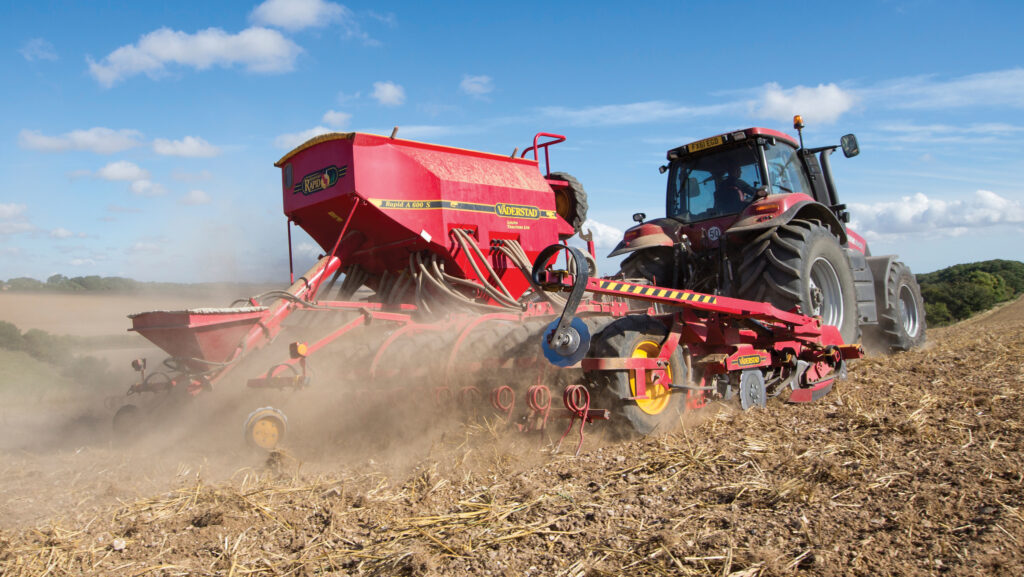 © GNP
© GNP A good selection of new and existing winter oilseed rape varieties is being matched by renewed enthusiasm for growing the crop, with better yields, reduced pest pressure and stronger prices all contributing to its recovery.
With such riches to choose from, the seed market remains very fragmented, says Niab break crop specialist Colin Peters.
He notes that there is a huge spread of oilseed rape varieties being grown, some of which are not on the Recommended List.
See also: How Lincs grower reclaimed world record oilseed rape yield
“There’s a greater awareness of the various traits you can get, with some growers intent on having the lot,” he adds.
“But there’s also still quite a lot of conventional oilseed rape grown, despite what we’re told.”
For growers returning to the crop after a few years off and buying new seed, it makes sense to go for good genetics if the budget allows, believes Colin.
“Traits such as pod shatter are very useful if you are growing a large area of the crop and the weather is against you.”
He also reminds growers about the importance of a good seed-bed and, where it has been grown recently, the need to cultivate the stubble of the previous oilseed rape crop.
“Grow it as far away as possible from your neighbour’s oilseed rape, as that’s where flea beetles will emerge from.”
Newcomers
There are seven additions to the AHDB Recommended List 2026-27, with three new UK hybrids, one conventional, a Clearfield type, a clubroot-resistant hybrid and a high erucic acid rapeseed (Hear) variety all joining the line-up.
Sitting at the top of the list is Dompteur from DSV, on a gross output of 107%. It has very good resistance to light leaf spot and phoma, with both having a rating of 8, along with intermediate resistance to verticillium wilt.
“Dompteur also has turnip yellows virus (TuYV) and pod shatter resistance,” says Colin. “It’s earlier to flower than some, but has similar maturity.”
Karat from NPZ UK is hot on its heels, with a gross output of 106%. Another variety with 8s for light leaf spot and phoma resistance, it is rated as moderate to verticillium wilt.
“It lacks pod shatter, but does offer TuYV resistance, so it’s another very strong newcomer.”
The third new UK hybrid is Domingos, with a gross output of 105%. It also has plenty to offer, with turnip yellows virus and pod shatter resistance, a 7 rating for light leaf spot and an 8 for phoma.
“What’s encouraging is that these three new hybrids are all from different breeders, so we have plenty of diversity in the system.”
Conventional, clubroot and Clearfield
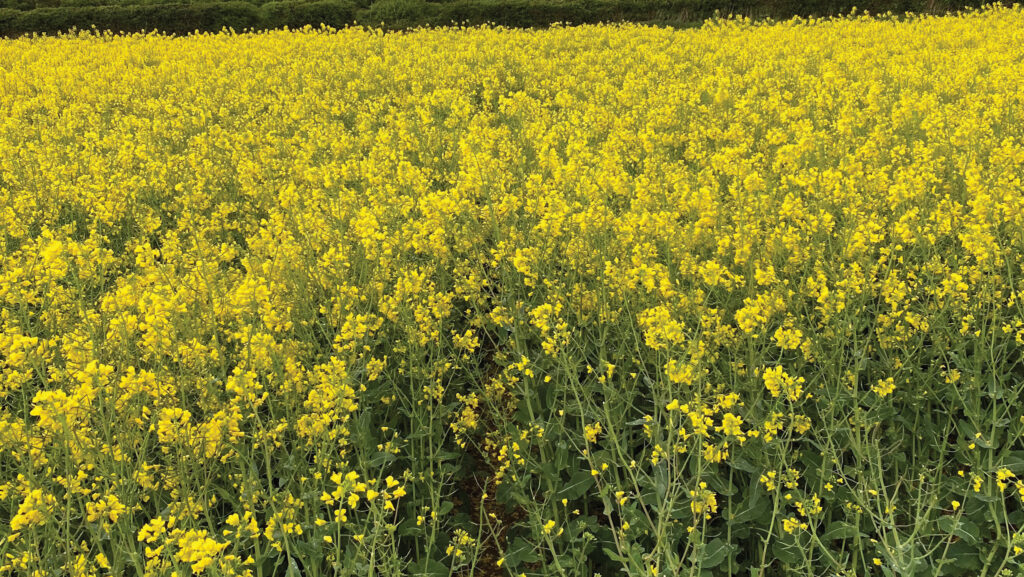
Crios is the new clubroot-resistant variety on the Recommended List © RAGT
The new conventional, Bachus – from Frontier Agriculture – heads up that section of the list with a gross output of 98%.
It doesn’t have the pod shatter and TuYV traits that the hybrids offer, or such good disease resistance ratings, but it brings more choice for growers who save their own seed.
Crios, from RAGT, is the fifth clubroot-resistant variety to join the list, with a gross output of 97% and a light leaf spot rating of 7.
While welcoming greater choice in this category, Colin warns against growing one of these types as an insurance policy.
“Only grow these if you know you have a clubroot problem. All of them are based on the same genetics and that will break if they’re used too widely.”
Otherwise, there’s a new Clearfield variety, Calvin CL, with a gross output of 94%.
Like the other herbicide tolerant varieties, it has both pod shatter and TuYV resistance and an improved light leaf spot rating of 6.
Hear variety
However, Colin says the real story this year is the arrival of a new Hear variety: Eriksen from NPZ UK.
“It has very good yields, taking gross output on to 95%, which is a huge leap for this type.” The other Hear variety on the list (Resort), has a gross output of 85%.
Eriksen also has TuYV resistance and a very good rating of 8 for phoma, he adds, putting it ahead of other described varieties for this market.
Seven new varieties at a glance |
|||||||
| Variety | Dompteur | Karat | Domingos | Bachus | Calvin CL (Clearfield) |
Crios (clubroot resistant) |
Eriksen (Hear described) |
| Region | UK | UK | UK | UK | UK | North | UK |
| Gross Output | 107% | 106% | 105% | 98% | 94% | 96% | 95% |
| Oil | 46.3% | 46.8% | 46.1% | 45.7% | 44.6% | 45.3% | 46.8% |
| Phoma* | 8 | 8 | 8 | 5 | 5 | 5 | 8 |
| Light leaf spot* | 8 | 8 | 7 | 6 | 6 | 7 | 5 |
| Pod shatter resistance | Yes | No | Yes | No | Yes | No | No |
| *On a scale of 1-9, with 9 having the highest resistance. Source: AHDB | |||||||
Cabbage stem flea beetle update
Despite being a quieter year for the pest, cabbage stem flea beetle still exists, warns Niab’s Colin Peters, who urges growers not to be complacent or underestimate the threat as the crop area rises.
“There was a smaller crop in the ground last year so there were less flea beetle,” he says. “There may also have been an effect from parasitoids, due to the role of population dynamics.”
The role of brassica species in cover crops also needs to be taken into account, as some covers have been found to have more larvae in them than oilseed rape crops, he adds.
For those planning to include oilseed rape in the rotation later this year, Colin’s advice is to drive round the local area and make a note of where crops are currently being grown.
“Plant your 2026-27 crop as far away as possible from these sites,” he stresses. “If you can persuade your neighbours to cultivate the crop stubbles straight after harvest, that will help too.”
After considerable effort, there is a better understanding of the pest now and growers are being shown how to use that knowledge to make it more manageable, he continues.
“There are things that you can do. Keep an eye on the AHDB’s research project and the United Oilseeds-led OSR Re-boot scheme.”
He believes that better decision-making is taking place at the farm level, as the risk becomes better understood.
Doing your own stem larvae counts in February can really help, admits Colin, as that gives a feel for the numbers.
“It’s a simple and quick thing to do in the field, with a few buckets and some chicken wire.”
His final reminder is that every season is different.
“We’re continuing to monitor beetle numbers and use emergence traps to update growers and agronomists. Stay informed so that crops have the best chance of survival.”