

Farmer wins landmark challenge to NVZ designations
 John Clapp with his wife Clare © Emily Fleur
 Devon-based farmer John Clapp has successfully challenged a nitrate vulnerable zone (NVZ) designation on his land, after winning an appeal against Defra.
Mr Clapp, who runs a mixed arable and beef enterprise near Tiverton in Devon, hopes the case will encourage a broader discussion about how NVZ designations are reviewed and how different sources of nitrogen pollution are assessed.
The land, situated on the edge of the River Exe and Culm catchment, remained within the NVZ boundary after a review last year, despite major steps being taken on farm to reduce nitrate leaching over the past 16 years.
See also: Reform pledges to scrap blanket NVZ in Wales
Improvement measures included reducing livestock numbers, exporting manure, reducing fertiliser use, establishing buffer zones, and planting cover crops.
Frustrated that the designation remained in place, Mr Clapp asked Janice Radford, an agricultural consultant at Westcotts, to examine whether there were grounds to challenge the decision.
Ms Radford identified a number of concerns regarding the evidence used to support the designation, including a limited number of groundwater samples used as justification for the NVZ, and issues with the timing and distribution of sampling points.
She suggested that the review of the NVZ had also relied on questionable datasets which may have skewed results against agriculture, and noted that sewage works around the farm had increased pumping hours by 300% during the past three years.
These findings were presented at a first-tier tribunal, which ruled that Defra’s decision to retain the designation was not supported by sufficient evidence.
It concluded that continuing to identify the groundwater as polluted was wrong on the evidential basis relied upon in this case.
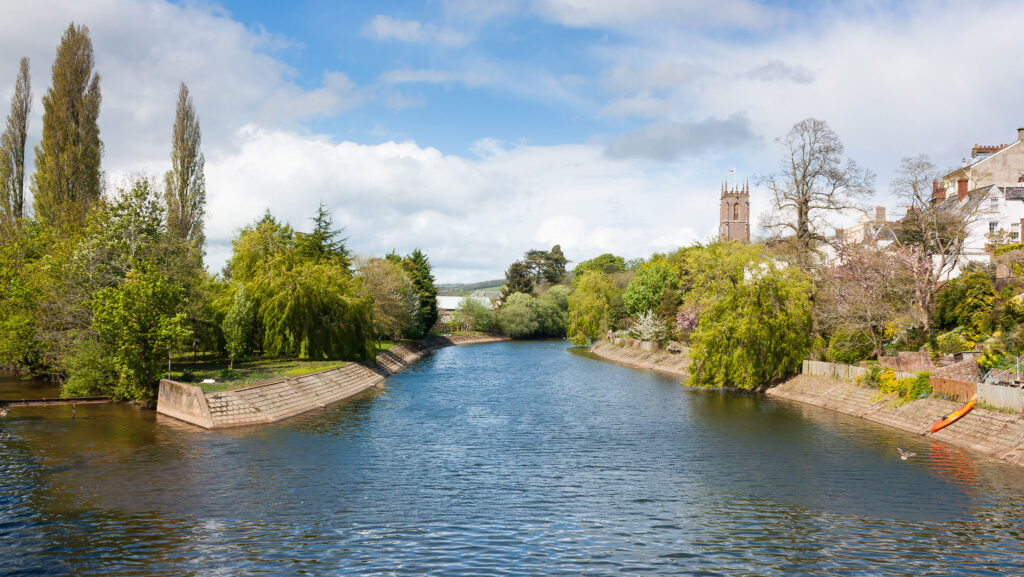
The River Exe at Tiverton, Devon © Adobe Stock
Reduced sampling
Evidence presented during the case showed sampling levels had reduced significantly over time.
In the NVZ area covering mid Devon, the designation relied on results from about 20 groundwater samples across an area of more than 700 sq km.
Only six of those samples exceeded the nitrate threshold used to define polluted water.
The tribunal also heard evidence that groundwater samples were typically taken during winter months when nitrate leaching risk is highest, meaning the data could represent a worst-case scenario rather than year-round conditions.
Care for environment
Mr Clapp said: “Now that I am out of the NVZ area I am not going to reverse the good management practices I have been making, because I care about the environment and the impact my business has on it.
“I still need to make sure I comply with the Farming Rules for Water, but I do want to increase the use of my home-produced manure so that I can buy in a bit less artificial fertiliser and not incur the massive costs of exporting manure out of the NVZ area.”
Ms Radford added: “Farmers across the region are making significant changes to reduce nutrient losses from agriculture, at the same time as population growth and other non-agricultural sources are increasing nitrogen pressures in some catchments.
“This case highlights the importance of ensuring that designations and the evidence supporting them reflect local conditions and that all nitrate contributors are regulated.”
A 28-day period has now passed since the tribunal decision was made with no further appeal being made by Defra.
A Defra spokesman said: “As we have already set out, we are simplifying agricultural water rules into a single and robust England-wide piece of legislation, making it easier for farmers to drive down water pollution and returning the water sector to good health.”