

Thousands of commoners face SFI and CS exclusion
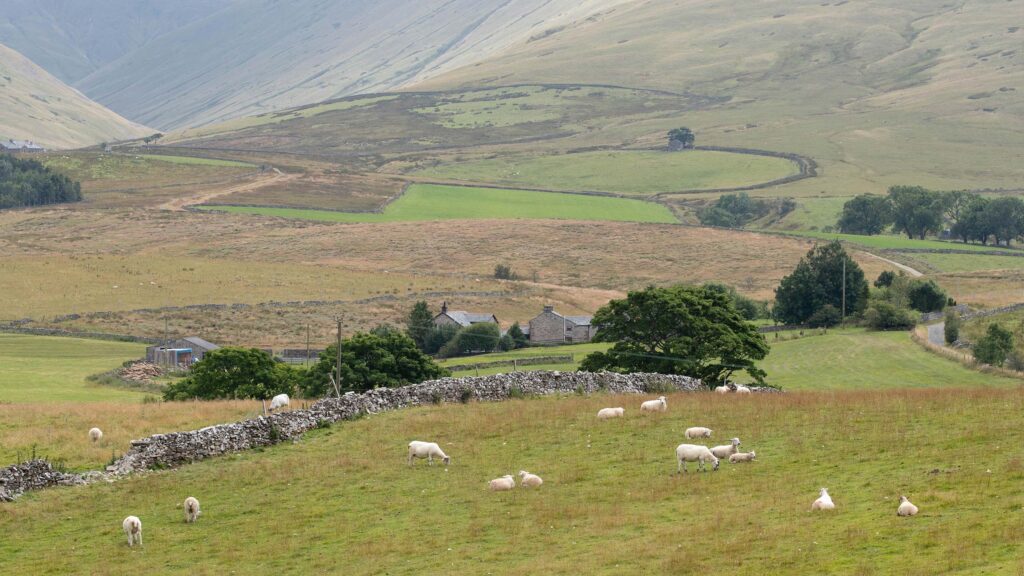 © Tim Scrivener
 Thousands of upland farmers in England face exclusion from future agri-environment schemes after Defra confirmed there is no mechanism to include common land in 2026 Sustainable Farming Incentive (SFI) or Countryside Stewardship (CS) Higher Tier agreements.
Defra and the Rural Payments Agency (RPA) say the issue lies with the Rural Payments Service, which cannot process applications for common land or shared grazing.
There are currently no plans to introduce the necessary functionality this year, nor to offer an offline workaround, and no guarantee the problem will be resolved by 2027.
See also: Opinion: New SFI means more risk and more cost for farmers
The issue follows Defra’s withdrawal of the MOR1 moorland survey action from SFI, despite more than 210,000ha already being mapped by commoners.
4,000 businesses affected
The situation puts about 4,000 farming businesses with common rights in England at risk of exclusion from the government’s flagship environmental land management schemes.
Many could be left in ageing Higher Level Stewardship (HLS) agreements or outside schemes altogether, despite the wider rollout of the Environmental Land Management (ELM) programme.
Defra officials have also confirmed there is currently no way for common land to apply online for CS Higher Tier agreements, even where farmers have received pre-application advice.
While the RPA has begun early exploratory work on potential solutions, no delivery timeline has been set.
There has also been no assessment yet of how the £100,000 cap per individual farm business in the 2026 SFI scheme will apply to commons, where multiple graziers often share a single agreement.
Julia Aglionby, executive director of the Foundation for Common Land, a charity dedicated to supporting common lands, described the situation as “deeply disappointing”.
“This is a further blow to those farming businesses who steward some of our most iconic landscapes,” she said, pointing to recent Defra analysis showing falling farm incomes in upland areas.
Meanwhile, there are no plans to increase existing HLS payment rates to match newer Higher Tier rates.
Robin Milton, an Exmoor commoner and trustee of the foundation, said: “This means commoners and the owners of common land are being asked to deliver the same environmental outcomes for a lower rate than on non-common land.”
Common land accounts for about 21% of England’s designated wildlife sites, with 82% within National Parks and National Landscapes. Excluding these areas from new schemes risks slowing progress on nature recovery, peatland restoration and flood management.
Defra response
Defra said it was continuing to consider how common land could be incorporated into future schemes, including the possibility of simplified CS Higher Tier agreements.
A Defra spokesman added: “In the spirit of trusted partnership, we are engaging with farming organisations as we continue to develop the new SFI offer.
“More than half of farmers are already in our farming schemes, including 44,000 multi-year SFI agreements, that will continue to support sustainable food production.
“Through £11.8bn of investment in the farming industry this Parliament, we’re backing British farmers to create a productive, profitable, and sustainable future for farming.”
Explore more / Transition
During the series we follow our group of 16 Transition Farmers through the challenges and opportunities as they seek to improve their farm businesses.
Transition is an independent editorial initiative supported by our UK-wide network of partners, who have made it possible to bring you this series.
Visit the Transition content hub to find out more.
