

Fly-tippers to be forced to clean up mess under new rules
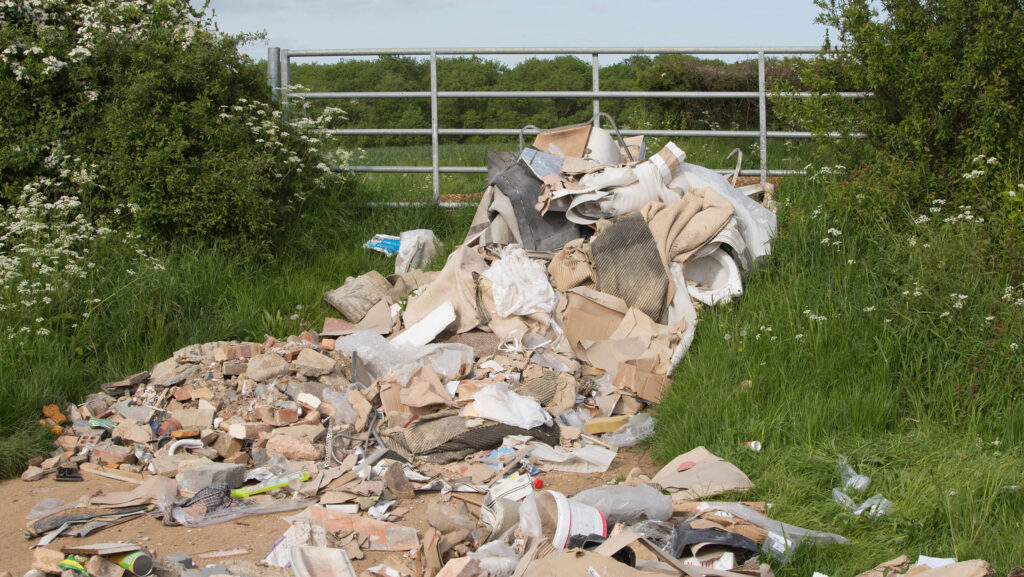 © Tim Scrivener
 Fly-tippers could soon face tougher penalties under new government plans aimed at tackling illegal dumping of waste.
Offenders will be fined and made to clean up mess as part of “clean up squads”, according to new proposals.
Existing rules prevent fly-tippers from being penalised until after being convicted in court.
However, local authorities will now be given more power to enforce their own penalties in a bid to deter offenders.
See also: Farmers hit as fly-tipping reaches record levels
This could include issuing up to 20 hours of unpaid community service to clean up the local area.
This latest announcement forms part of the government’s Waste Crime Action Plan, which gives greater powers to Environment Agency officers to tackle waste crime.
Defra secretary Emma Reynolds said: “If you dump rubbish on our streets, you will be joining a clean-up squad and picking up the bill, not the taxpayer.
“We are clamping down on these criminals, making sure those responsible clean up and pay up.
“This government is handing both the Environment Agency and local authorities the power to boost waste crime enforcement, hand out tougher sentences and tackle illegal dumping faster.”
The government has also provided guidance to councils encouraging them to seize and crush vehicles associated with fly-tipping.
Local authorities carried out 572,000 enforcement actions in 2024-25, up by 8% on the previous year.
This included 69,000 fixed penalty notices.
Rural impact
NFU vice-president Robyn Munt called fly-tipping a “serious criminal offence” that imposes a “relentless and costly blight” on the countryside.
Ms Munt said: “Farmers are often victimised twice, first by the offence and second by having to bear the clear-up costs, which can be tens of thousands of pounds.
“Giving local authorities tougher powers will hopefully help act as a deterrent to organised criminals who see our countryside as an easy target.”
However, she added that only one in 1,000 fly-tipping incidents were typically prosecuted by the police.
“It’s vital further measures are put in place to catch waste criminals in the first instance, including a simpler mechanism to report fly-tips,” she said.