

AHDB baselining project shows farmers store more carbon
 © Adobe Stock
 The amount of carbon stored beneath farmland may be significantly greater than previously thought, according to new research by the GB levy boards.
Results from its comprehensive baselining project, covering 170 farms across Britain, found that previous soil carbon measurements may have underestimated carbon stocks by more than 30%.
This is due to carbon being stored deeper under farmland than the 30cm threshold previously measured.
See also: Livestock farms could play big part in drive towards net zero
The AHDB, Quality Meat Scotland (QMS) and Hybu Cig Cymru (HCC) have now extended the project to cover 178 farms, with livestock, dairy and arable enterprises covered.
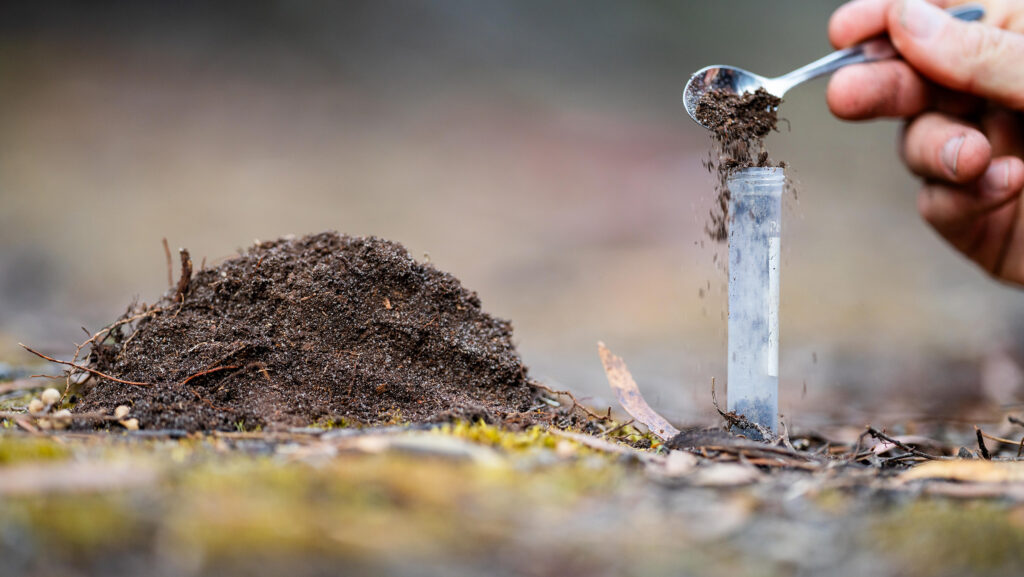
A pilot phase used soil samples to measure up to 1m below ground as well as light detection and ranging (Lidar) scanning above ground.
In excess of 53,000 soil measurements were made across more than 5,000 fields, with early findings indicating that roughly 95% of carbon stocks were stored in soils, with trees and hedges typically making up the remaining 5%.
AHDB’s environment director Chris Gooderham said: “This gives us a much more detailed picture of carbon on farm than we’ve had before.
“It also demonstrates the value of environmental baselining on individual farms and the valuable role farmers can play in supporting and protecting our environment.”
The project found that the average soil carbon stock was roughly 128t/ha, but some fields with deep, organic peat soils could reach 600t/ha.
Earlier results of the baselining project also found that a number of farms are already at net zero after considering carbon sequestration.
QMS chief executive Sarah Millar said: “After completing the initial measurements of this pioneering environmental baselining pilot, it is fantastic to have promising data on carbon storage across the participating regions.
“This has highlighted the significant and unique role that Scotland’s farmland plays in carbon storage, with more mixed farming and permanent grasslands and the importance of a comprehensive and complete evidence base to demonstrate this.
“The production of Scotch Beef, Scotch Lamb and Prime Scottish Pork is underpinned by the highest stewardship of our land and livestock, which this emerging evidence showcases.”
The next phase of the project is designed to inform farm businesses how soil type, land use and management practices can lead to changes in carbon stocks on farm.