

Farm emissions fall but progress uneven across England
 © Adobe Stock
 England’s farms have reduced their environmental footprint over the past decade, although progress remains uneven between regions, new research suggests.
A study by Rothamsted Research, examining intensive farming systems across 72,000sq km between 2010 and 2021, found that greenhouse gas emissions and other pollutants have declined overall.
Median reductions of 18% were recorded in both short- and long-term global warming potential, alongside a 21% fall in acidification.
Eutrophication potential, linked to nutrient run-off into water, dropped by 13%.
See also: Livestock farms could play big part in drive towards net zero
Structural change
Researchers attribute much of the improvement to shifts in land use and farm structure.
General cropping area increased by nearly 4%, while land used for dairy declined by 2%.
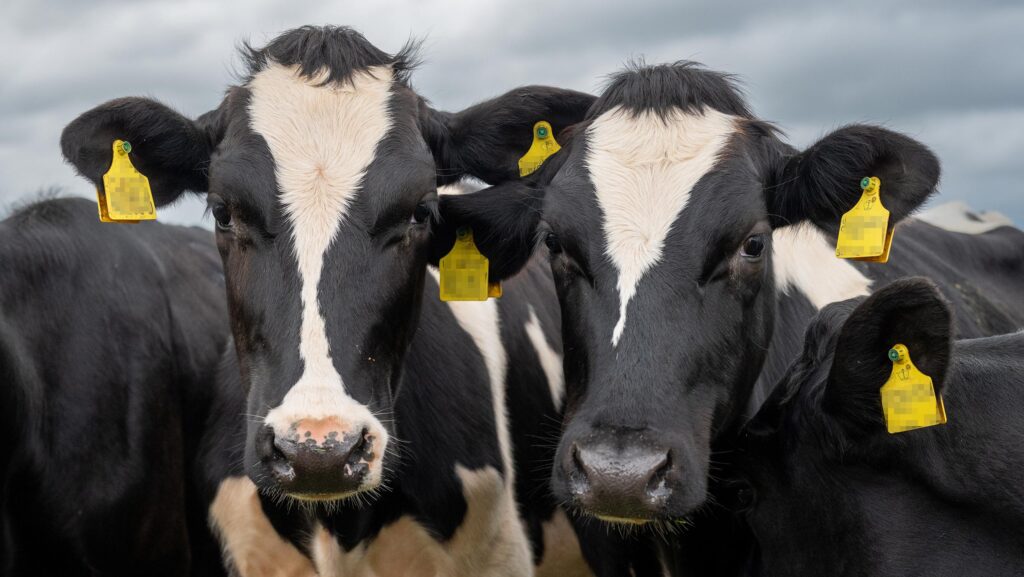
Cattle numbers also fell significantly, down 12% compared with 2010.
Prof Adie Collins, science director and co-author of the study, said:
“The findings clearly demonstrate, in the context of the recently released Land Use Framework for England, how structural change in land use and management can drive improvements in environmental performance whilst delivering food production.”
He added that the framework could create opportunities for farmers to generate income from environmental services, thereby strengthening business resilience.
Mixed picture
Despite overall gains, improvements were not consistent across all areas.
Some water catchments recorded reductions of up to 76% in certain environmental indicators, while others saw little change, with improvements of less than 5%.
Changes in cropping also point to a shift in farming systems.
Between 2016 and 2021, areas of rotational grass, spring barley, pulses and fodder crops increased, while permanent grassland declined.
The study also noted a rise in less common crops and signs of greater specialisation, with more arable crops on cereal farms and higher livestock concentrations on dairy and lowland grazing units.
Policy gaps
The researchers say the findings highlight both the potential and the limits of current approaches.
They caution that modelled trends cannot always be directly linked to field data, underlining the need for better integration between modelling and on-the-ground monitoring.
Lead author Dr Yusheng Zhang said: “Farming is indispensable to feeding a growing population, but it must also become more sustainable.”
He added that regular assessments of environmental performance would be key to building a resilient and economically viable farming sector.
The study also notes it did not account for emissions linked to imported meat, suggesting a full life-cycle analysis is needed to better understand agriculture’s total environmental impact.
Industry response
AHDB’s Rachael Madeley-Davies said the findings show progress in reducing farms’ environmental impact.
“However, we still need better farm-level data to improve the understanding of the extent and impact of the changes being made on English farms; reflecting what farmers and growers are already doing, and highlighting what more they can do,” she said.
Defra welcomed the progress, adding it will support a productive, sustainable future, backed by an £11.8bn nature-friendly farming budget.