

Dynamic alignment with EU rulebook is fraught with danger
 © AdobeStock
The new sanitary and phytosanitary (SPS) agreement between the UK and EU has been described varyingly as a “win win” for British agriculture, and a “sell out” to Brussels.
According to prime minister Andy Burnham, the overall package “cuts costs for business, helps with the cost of the weekly shop, and creates opportunities for young people”. The food and farming part could be worth over £5bn.
See also: Mixed reaction as Burnham ties up EU realignment deal
In contrast, shadow Defra secretary Victoria Atkins says farmers will be forced to follow rules “over which we have no say, no vote and no veto”. She believes farmers will lose out, while struggling to compete with their more highly subsidised EU counterparts.
Whatever the verdict – short- or long-term – there is little doubt that the package agreed last week is considerably better than some first feared.
Plant protection products
The “doomsday” scenario in which UK agriculture was forced to align fully with the EU rulebook from day one was first spelled out in a report from pesticide lobby group CropLife UK and consultants Andersons in January of this year.
That concluded that, without a reasonable transition period for regulations to realign, UK crop growers could face a £500m-£810m loss in revenue due to restrictions on certain plant protection products (PPPs) that have been approved in the UK but not the EU since Brexit.
Without those products, yields would fall and cropping patterns would have to change, pushing up costs and slashing farm incomes.
It seems this “cliff edge” scenario has been averted in the new SPS agreement.
© Tony Cortazzi/Alamy Stock Photo
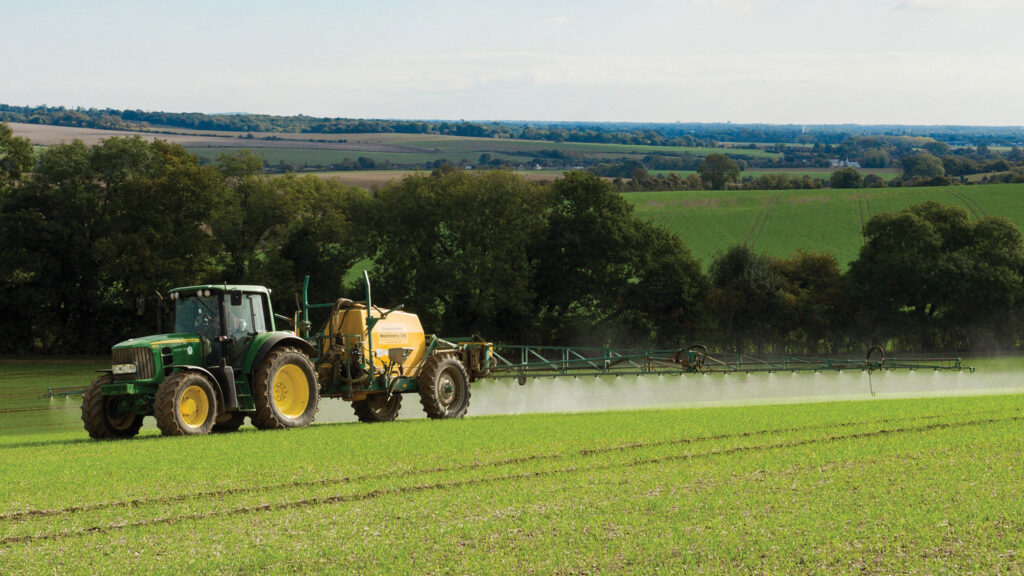
According to guidance notes from Defra, farmers will get between nine and 21 months for final “use-up” of affected pesticides, depending on the active ingredient, starting from 1 March 2028 when the SPS is activated.
Specifically, the 12 active ingredients that have been banned in the EU since Brexit but are still licenced in GB may still be used for another nine months from that date.
Another group of PPPs that are approved in both jurisdictions, but for which the EU has different conditions of use (such as glyphosate) must either be aligned or withdrawn within 21 months.
Crucially, the SPS deal makes further provision for the three new actives – cinmethylin, pydiflumetofen and isoflucypram – which are approved in GB but are still awaiting EU approval.
These may still be used in GB pending that EU decision.
Response
The Agricultural Industries Confederation, representing farm suppliers, has welcomed these “realistic and pragmatic” transition arrangements.
“Extended transition periods running to the end of 2028 and into 2029 provide time for agronomists, growers and the wider supply chain to adjust and, where necessary, adapt crop management programmes,” it says.
It also welcomes Defra’s assurance that existing goods on the market and crops already in the ground may still be traded during the transition.
Animal health and welfare
© Tim Scrivener
One of the outcomes of the SPS agreement is that GB and the EU will have to realign on animal health and welfare legislation.
How this will work out in practice is still unclear, though the NFU is concerned it may have implications for bovine TB controls.
For while the cattle vaccine trials currently under way in GB will be allowed to continue, if they prove successful there will need to be a change in EU regulations to allow vaccinated cattle to then be traded.
Similar concerns have been raised about the vaccination of poultry to control avian influenza – with trials on turkeys nearing completion. Questions remain about how trade rules might then be applied, though with vaccination already used in some EU countries (such as on duck farms in France), that may be less of a problem.
The greater issue is the extent to which GB will have to meet EU standards around avian influenza control zones and movement licences, where conditions are stricter.
The NFU is also concerned about possible restrictions on the use of antimicrobials in livestock production, where EU rules outlaw preventative applications in flocks and herds.
Meanwhile, Defra has confirmed that, under one of a number of exceptions to EU alignment, the UK ban on live exports of animals for further fattening or slaughter will stay in place.
Another upside is that “mutual recognition” will give growers access to around 20 new “actives” currently allowed in the EU, but not in GB.
However, CropLife UK still has concerns, given the “limited” transition timetable asking “what happens next?”.
“Further clarity is needed on how other new active substances currently being assessed will be treated, whether subsequent GB approvals will qualify for equivalent arrangements, and how the safeguards will operate as EU decisions are reached,” it says.
Maximum Residue Levels
CropLife UK has similar concerns about Maximum Residue Levels (MRLs) – the pesticide thresholds set by the UK and EU to allow food and feed to be traded.
While the SPS deal again makes some provision for transition periods after 1 March 2028, it does not specify what will happen in the longer term, or whether the specific conditions of growing crops in the UK will be properly considered when the EU is setting future MRLs.
The government insists it will have an “early decision-shaping role on EU rules in development”, to ensure UK interests are reflected.
The AIC and CropLife UK remain sceptical, concerned that manufacturers and farmers will eventually have to match EU rules for all pesticides with only a limited say in what is and is not permitted.
According to the CropLife UK analysis, arable farmers could still be looking at a significant drop in income once the transition periods have expired.
Gene editing
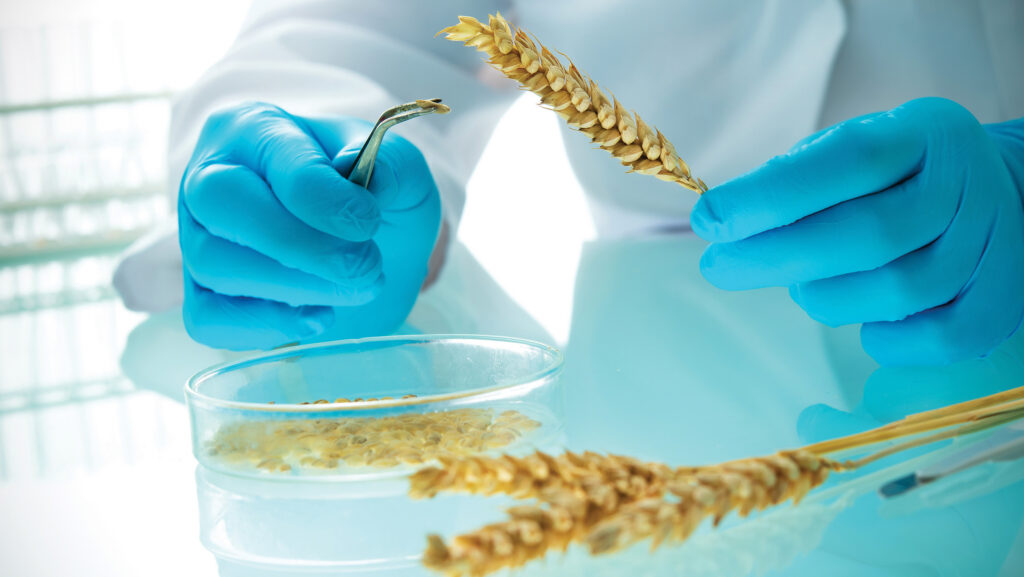
One of the other major concerns throughout the course of SPS negotiations has been how gene-edited crops might be treated, with researchers warning that overnight realignment could scupper all that has already been achieved in England.
This summer saw the first field trials of a barley that could reduce methane emissions in cattle, made possible since the passing of the Genetic Technology (Precision Breeding) Act 2023. Brussels recently passed its own “similar but different” framework, due to come into effect in July 2028.
According to the Defra guidance, England’s own rule book will remain in place until then. “Businesses will then be able to continue marketing precision bred products under England’s regulatory framework until October 2029,” it adds.
© AdobeStock
During this “window”, gene edited products approved for commercial use in GB will still be marketable within the domestic market, whilst seeking formal approval under the EU’s new framework.
The NFU and plant breeders have welcomed this outcome, which at least caters for ongoing crop research.
Post 2029, however, all precision breeding activity will have to align with the EU model, which is more restrictive than the English version in terms of the number of gene variances allowed and also requires clearer seed labelling.
Fertilisers
© AdobeStock
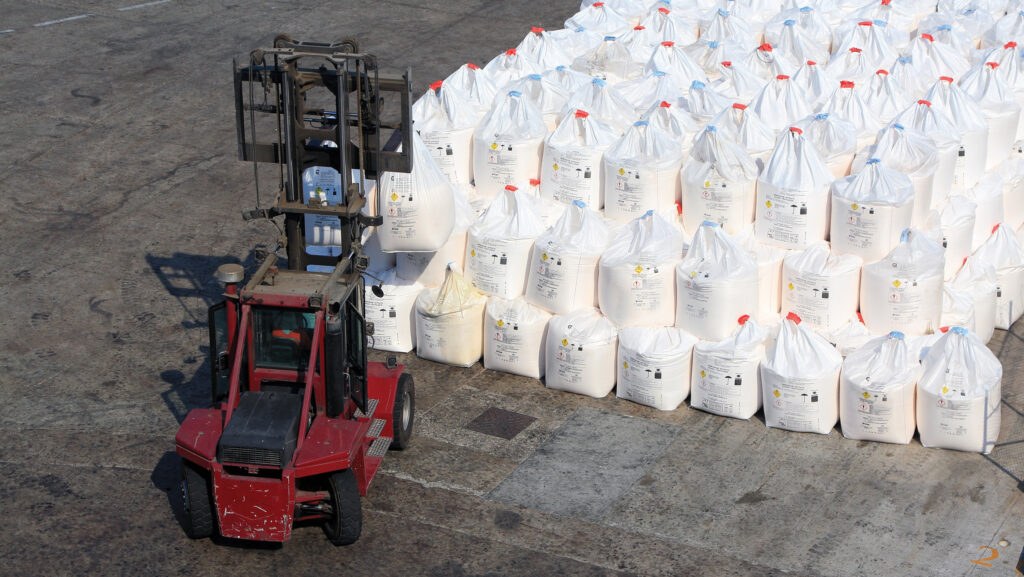
Although fertiliser sits outside the SPS agreement, the understanding is that the UK and the EU will be “mutually exempt” from each other’s Carbon Border Adjustment Mechanisms.
This means that future imports of urea and ammonium nitrate from EU manufacturers will not have to pay the new border tax, due to take effect in GB from 1 January.
“We also welcome the removal of export health certificate requirements for fertilisers derived from animal by-products, reducing unnecessary administrative burdens and facilitating trade,” says the AIC.
Glyphosate
Environmental groups have welcomed the fact that realignment with EU rules will spell the end of the use of glyphosate as a pre-harvest desiccant.
Again, this will only take effect 21 months after the SPS comes into force, meaning that glyphosate may still be used to prepare crops for harvest in 2027 and 2028.
“It’s important for the UK to take a tougher stance on pesticides, so we welcome the news that we will align with the EU on pesticide rules,” says Cathy Cliff, campaign co-ordinator, Soil Association.
While this will involve changes, Martin Lines of the Nature Friendly Farming Network is fairly relaxed about the consequences for arable farmers.
“Northern Ireland has been aligned to the EU for the last few years and they’ve had a harvest swath [instead of using glyphosate], and it has worked,” he said.
Organics realignment – a challenge for egg producers
There are a number of differences between current GB and EU regulations when it comes to organic farming standards – especially for poultry.
For example, GB rules allow pullets to be reared non-organically up to 18 weeks old before being placed on organic laying hen farms. EU organic rules do not, and the UK poultry sector will have just 12 months from 1 March 2028 to come into compliance.
The poultry sector says this is impractical as there just isn’t the capacity to adjust the pullet rearing sector in time, especially with EU rules also requiring pullets to have access to outdoor space and banning the rearing of organic and non-organic birds on the same site.
The EU is also moving towards ending the 5% allowance for non-organic protein in organic pig and poultry rations – something else the UK egg sector will have to comply with.
“Giving the sector 12 months to comply is just not long enough to effect the structural changes now needed for organic pullets,” says British Free Range Egg Producers Association head of strategy Gary Ford.
“Defra must keep pushing for a more realistic transition period.”
What’s the upside of the UK-EU reset deal?
© AdobeStock
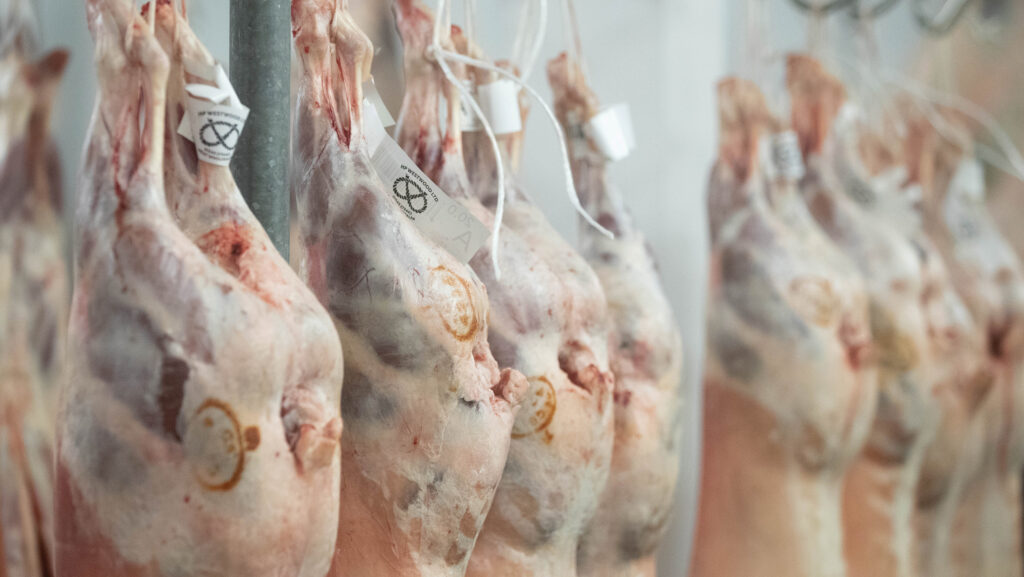
While much of the response has been on the potential downsides and continuing uncertainties surrounding the SPS deal, there is no doubt that many in the industry are delighted – meat and dairy exporters in particular,
Recent analysis by the NFU reveals the extent to which food exports to the EU have been hit since Brexit took effect in January 2020.
It shows a 35% drop in sales volumes for all agri-food goods over those six years, led by eggs with a 74% drop-off, while poultrymeat and sugar exports are both down by 41%. Beef has suffered a 24% sales drop, followed by lamb at 14% and dairy at 10%.
Defra puts the loss of export earnings from food and agricultural exports at £4bn since 2018, in part caused by the increased costs of exporting to the EU and problems caused by sometimes onerous border inspections.
While welcoming the opportunity to rebuild lost exports, NFU president Tom Bradshaw says this will take time, “as in many circumstances British products have been replaced by goods from elsewhere”.
“That’s why the appointment of three new agricultural trade specialists in Europe and a further three in England to boost exports is so important,” he added.
The interplay between the SPS deal and the Windsor Framework will also make it easier and cheaper to move agricultural goods between GB and Northern Ireland.
Richard Griffiths, chief executive of the British Poultry Council, says his member companies will benefit from the removal of barriers to trade with both mainland Europe and Northern Ireland.
“We hope this will stimulate trade and support growth,” he says. “Dynamic alignment will also help, such as simplifying controls on trading meat from areas affected by avian influenza.”
Cheesemakers are also upbeat about the prospects for business growth once the SPS takes effect.
Ben Hutchins, sales and marketing director at Coombe Castle in Wiltshire, says about 95% of its produce is exported.
“The biggest prize from this agreement isn’t a saving on certificates – it’s reliability,” he says. “Today, loads held at the border for testing or scrutiny of export health certificates cost us far more than the paperwork itself.”
Meanwhile, John Powell, chief executive officer of the British Meat Processors Association, describes a well-designed UK-EU food and drink agreement as “a game changer” for British meat businesses.
Tony Goodger, head of communications at the Association of Independent Meat Suppliers, also applauds the fact that the term “meat” will no longer be allowed to describe products made from plant-based or lab-grown non-meat constituents.
Another significant “win” will be for Scottish seed potato growers who, after six years of exclusion from the EU market, will finally be allowed to resume business with Europe following regulatory realignment.
Pre-Brexit, Scotland exported about 20,000t of seed potatoes to Europe each year, worth almost £11m.
Seed breeders have also welcomed the SPS deal.
“That largely means a welcome return to pre-Brexit trading arrangements, with the measures the seed industry hoped for in scope,” says Andrew Probert, managing director of specialist seed supplier Premium Crops.
He puts the cost of extra administration and certification to Premium Crops at around £250,000 over the past four to five years. “That’s money lost at the border to a process that was completely unnecessary,” he says.