

Major setback as farmers’ IHT challenge dismissed by High Court
 © Adobe Stock
 Farming families have suffered a major setback after the High Court rejected a legal challenge to controversial inheritance tax reforms that many fear could force the break-up of long-established family farms.
Cambridgeshire farmer Tom Martin and his father, George, brought the case alongside campaign group Farmers and Businesses for Fair Tax Relief.
They warned the changes could have a “devastating impact” on multi-generational farms by forcing land sales to meet future tax bills.
See also: Farmers’ High Court battle begins over IHT reforms
Commenting after the ruling, Tom Martin told Farmers Weekly the farming community felt deeply disappointed by the decision and questioned why farmers had been forced to pursue legal action in the first place.
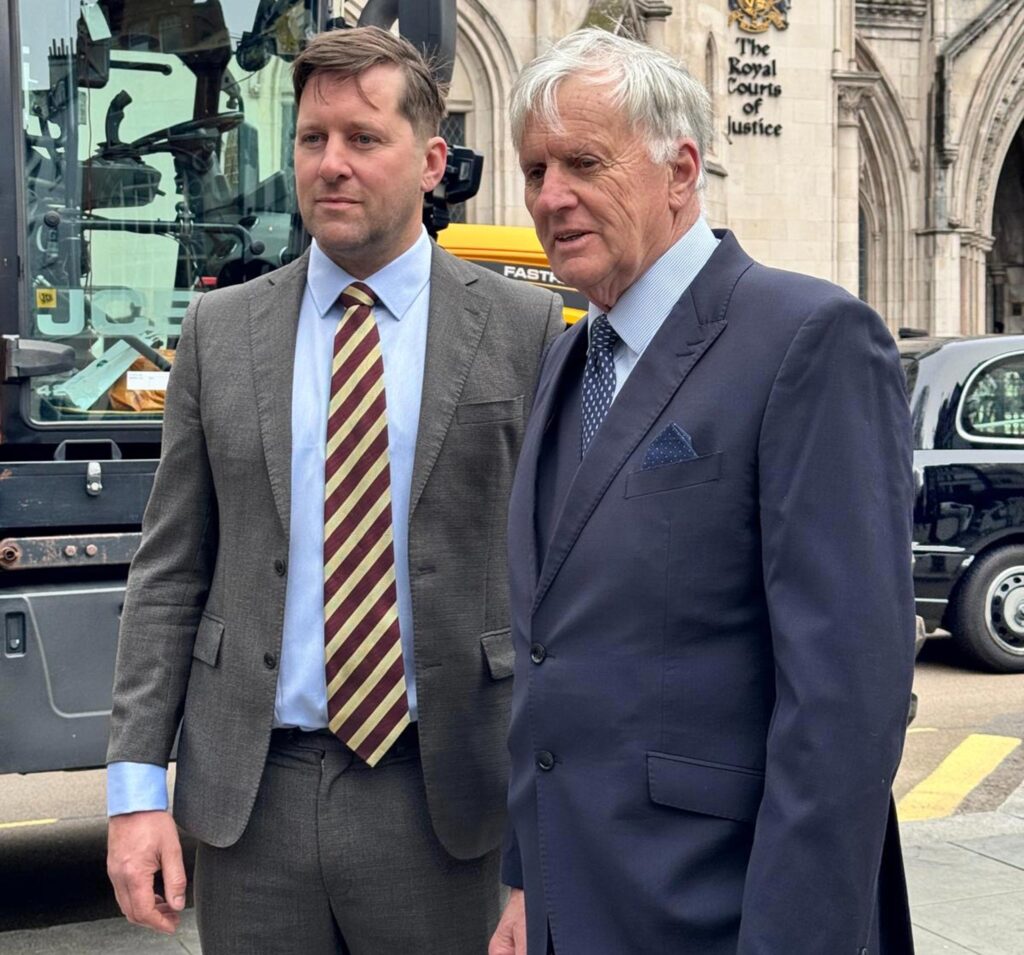
Farmer Tom Martin (left) with his father George outside the High Court in London © Lisa Martin
“The previous Conservative government promised to hold a consultation before making major tax changes and you would have hoped and anticipated that the present Labour government would stand by this commitment without private citizens needing to take the case to court,” he said.
He added: “The strength of feeling and support outside the court was palpable.
“The disappointment is felt by all of us – not just those directly involved in the case.”
In a judgment handed down on 12 May 2026 (opens in PDF)), Lady Justice Whipple and Mr Justice Fordham rejected claims that the government acted unlawfully by failing to carry out a full public consultation before introducing sweeping changes to agricultural property relief (APR) and business property relief (BPR).
Previous commitment
The claim, brought by law firm Collyer Bristow on behalf of Alvarez & Marsal, argued ministers had failed to honour commitments under the long-standing Tax Consultation Framework (in place since 2011) to consult on major tax reforms affecting businesses.
Central to the dispute was the Labour government’s decision to cap 100% inheritance tax (IHT) relief at £2.5m per estate – or £5m for married couples and civil partners – with only 50% relief available above that threshold.
While Labour ministers insist most estates will remain unaffected, many farmers argue the reforms still leave larger family-run farms exposed to significant tax bills, particularly where land values are high but incomes remain relatively modest.
The claimants argued consultation rules required ministers to “carry out at least one formal, written, public consultation in areas of significant reform”, maintaining that the limited technical consultation carried out did not give farming families a meaningful voice.
But Lady Justice Whipple said there was “no arguable clear and unequivocal promise” by the government to consult specifically on the APR and BPR changes.
She also described the commitments relied upon by the claimants as “essentially political” rather than legally binding promises.
The court further concluded the case had been brought too late and ruled the issue was not properly “justiciable”, as it fell within the parliamentary process of setting tax policy rather than a matter for the courts.
Farmer frustration
The ruling is likely to intensify frustration across parts of the farming sector, where concerns remain over succession planning, investment and the long-term viability of family farms.
The NFU has faced criticism from some farmers after ending its “Stop the Family Farm Tax” campaign when the government increased the IHT threshold from £1m to £2.5m.
This is a concession many farming groups argue still fails to protect larger multi-generational businesses.
The claimants now have seven days to decide whether to seek permission to appeal.