

This Week in Farming: Power battles, dairy demand and frosts
 © GNP
Welcome back to another edition of This Week in Farming, your one-stop shop for the best Farmers Weekly content from the past seven days.
First, here’s your markets (opens as PDF) with red diesel finally dropping back under £1/litre as oil markets ease. Still pricey, but worth a small cheer.
Now, on with the show.
Spending power
The Treasury has raised fresh questions about whether England’s SFI scheme represents good value for money, prompting fears that it may cut Defra’s budget next year, lobbyists have warned.
Coming hot on the heels of the dynamic alignment deal (fresh analysis of that here) gives rise to broader questions for Defra and the devolved administrations about their post Brexit powers seeping away, I say in my testicularly-tinged editorial this week.
Meanwhile, the Welsh government has unveiled its plans to grow participation in its flagship SFS scheme, with half of farmers currently opting for legacy area payments which are being cut year-on-year.
Stay frosty
Aphid pressure on crops is becoming an increasing threat to yields, with scientists suggesting that fewer frosts may be a contributing factor.
The UK averaged 28 winter air frost days a year in the decade to 2025, down from 38 during 1961-90. This week in the arable section we have two pieces on ways to encourage beneficial insects that predate pests, with the first looking at which plants will encourage them.
Then we hear from Northamptonshire mixed farmer Louis Phipps, who has been planting 6m flower margins around every arable field since 2021.
He explains how they are managed and what he has learned establishing them on the farm’s relatively heavy ground.
Dairy outlook
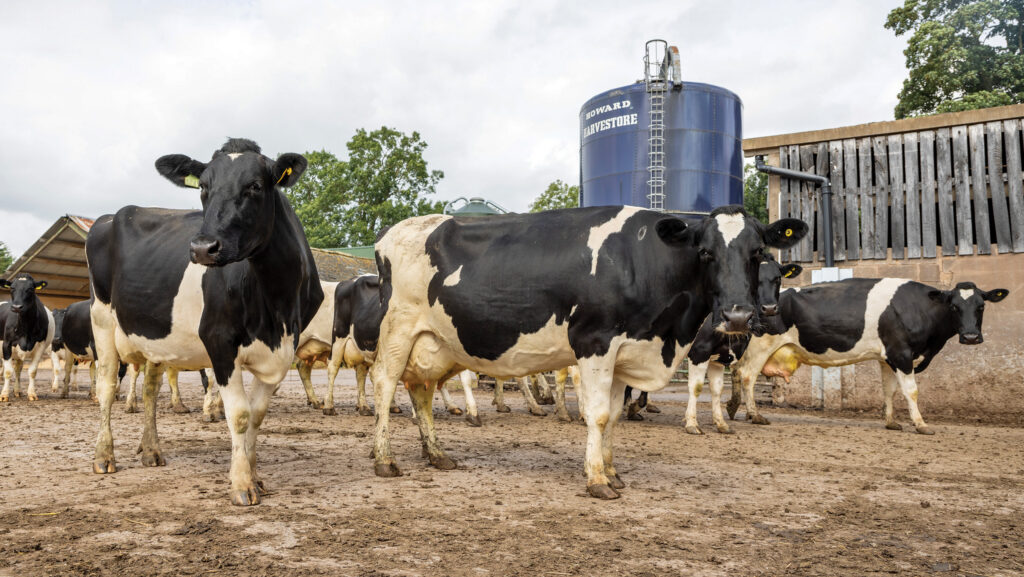
Consumer spending on dairy is strengthening, with retail milk sales volumes returning to growth for the first time in three years, according to data for the 12 weeks to 31 October.
That’s the good news at the end of this piece, which mostly deals with the widening gap between farmers’ cost of production and price received, meaning producers will be having yet another look at how to make savings.
We’ve got two articles that may inspire a few thoughts in that department – firstly a look at how one unit has almost halved Johne’s disease infection levels and a look at the benefits of using forward-looking measures to assess herd performance.
Yet for producers in areas hit hard by bluetongue this year there is one concern that is probably dwarfing others – fertility rates. One veterinary practice in North Devon is seeing barren rates surge to more than a third in herds in its patch.
The future is bright
Seeing the next generation come through is always a pleasure and one story that has trafficked well for website readers this week is about 16-year-old auctioneer Freddie Buckberry.
He was entrusted with the gavel to sell the final pedigree White Beef Shorthorn at a herd reduction sale at Melton Mowbray market earlier this month.
But new ideas can come from folk at every stage in their career, as shown by the next crop of Oxford Farming Conference’s Inspiring Innovators.
They will be showcasing their innovations, which range from software to speed up shift handover to a biostimulant to help prepare wheat to withstand waterlogging, on the main stage of the prestigious event.
Farmers Weekly is a media partner for Oxford Farming Conference, returning next year on the 6-8 January. Read more about the event programme and buy tickets by visiting the official OFC website.
Who’s up and who’s down?
On the up this week are rat numbers, regrettably. Agricultural pest control firm Oakwood Farm Services reports that rat numbers began increasing in September, several weeks earlier than the usual seasonal rise in November.
And feeling down are staff at Natural England, who have been plunged into uncertainty after a week of media speculation about whether Labour will look to abolish the arms-length body and fold it back into Defra’s direct control.
Listen to the FW Podcast
Don’t forget to tune in to the Farmers Weekly Podcast, with Johann Tasker, Louise Impey and Hugh Broom.
This week the team debate the impact of milder winters on combinable crops, investigate a new bill before parliament on abattoir services and chew over some more positives and negatives of the EU dynamic alignment deal.
You’ll find it anywhere you get your podcasts, or listen free on the FW website.