

This Week in Farming: Workshops, wet weather and wheat
 © Jim George
 Welcome back to another edition of This Week in Farming, your regular round-up of the best Farmers Weekly content from the past seven days.
First up, here are your market prices (opens as PDF). Oilseed rape has had a strong week climbing to £428/t providing some optimism for growers as the crop area bounces back.
Now, on with the news…
About the author

Planning problems
Leading Farmers Weekly magazine this week was the revelation that animal activists have been targeting pig, poultry, and dairy businesses with mass planning objections.
Template letters objecting applications had been sent to local councils from people from all over the world.
In this week’s leader, FW editor Andrew Meredith said it was absolute nonsense that a keyboard warrior in Alabama can play any part in deciding whether there should be another pig unit near Cheltenham, Cockermouth or Cromer.
In a similar vein, environmental charity River Action launched a judicial review against Natural Resources Wales after it approved the expansion of three intensive poultry units.
With threats to farm businesses seemingly coming from further afield than ever, livestock correspondent Rhian Price has compiled some practical tips on how farm businesses can beef up cybersecurity.
Wet weather hits crops
Continued rainfall has sparked fears of fodder shortages with slow grass growth and more livestock being housed, pushing up demand for hay and straw.
Fodder supplies were already tight after last summer’s drought, and this recent uptick in demand has led to an increase in imports.
The current wet spell has delayed spring barley plantings until March, although a better autumn planting window did provide some relief for cereal growers.
Rothamsted Research has cautioned that climate change poses a threat to wheat yields, with global yield losses potentially increasing by about one-third by 2050.
The FW Arable team have looked into how climate change is reshaping crop agronomy, and how it affects yields, disease pressure and pest risk.
Dog attacks and deer control
Dog attacks on livestock cost farmers almost £2m in 2025, according to NFU Mutual estimates – a jump of 10% on the year.
However, rural police are trying to tackle the issue with five dogs seized as part of a hare coursing crackdown in Cambridgeshire on 11 February.
Loose dogs aren’t the only animals causing issues for farmers livelihoods; deer populations have shot up from roughly 450,000 in the 1970s to more than 2m today.
Farmers in England will be given faster, simpler powers by Defra to control deer under a new 10-year government strategy aimed at protecting crops, timber and wildlife.
Even conservationist Chris Packham piped up in support of controlling deer numbers in order to save his beloved woodland birds.
Cows and calves
Wearable accessories for cows are explored by the FW Livestock desk this week. They’ve been testing out the latest monitors for heat detection, rumination, and activity tracking.
The Livestock team also delved into how farm businesses can achieve the best results with outdoor calving and advice on when to help assist with calving.
Meanwhile, in the live ring, store cattle trade has stayed lively, despite finished beef prices easing back.
Workshop inventions
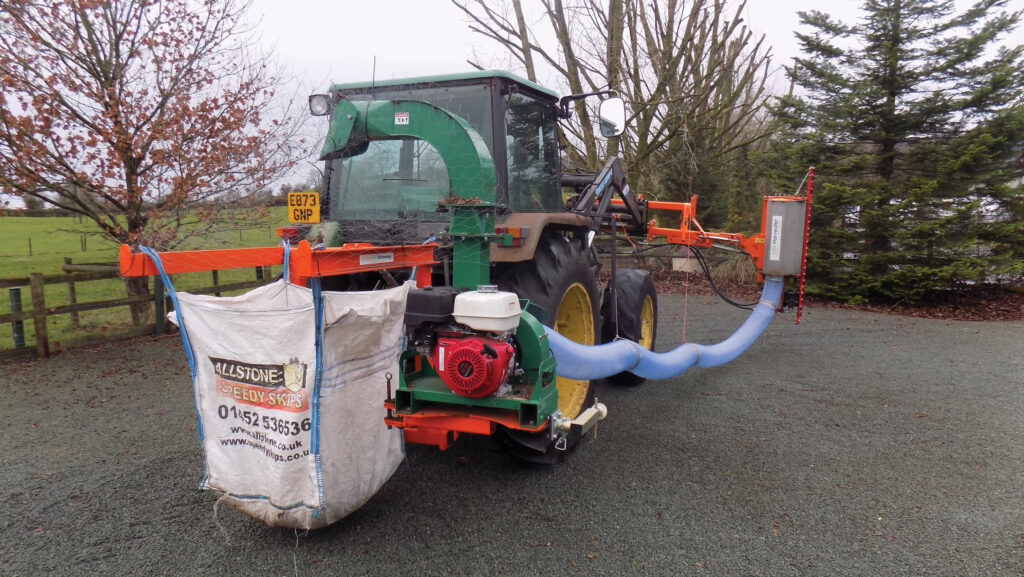
This week’s magazine includes seven pages dedicated to the best workshop projects featured in FW Machinery Inventions Competition.
The winner of the complex category went to a Hej Harvester, which trims and bags woody stems for burning as biomass.
Second prize went to a novel feed hopper filler, built using an adapted side-throw muckspreader.
Highs and lows
It’s been a tough week for German agrochemical giant Bayer, which has offered to cough up US$7.25bn (£5.35bn) as part of a US court settlement linked to weedkiller Roundup.
North of the border in Denmark it’s a different story, with major Danish milk processor Arla reporting a record turnover of more than £13bn, which has resulted in its farmers being awarded a supplementary payment.
Red Tractor has given its online portal a facelift, with farmers now able to submit photos from their mobile phones in an attempt to reduce the amount of paperwork.
A rather unwanted high is energy bills, with standing charges likely to rise this April, so the business section has considered ways to mitigate the impact.
Finally, farmers and residents in Brockweir, Gloucestershire, have a reason to celebrate after successfully raising £400,000 in less than a year to buy their closed pub and back struggling local farms.
Listen to the FW Podcast
Don’t forget to tune in to the Farmers Weekly Podcast, available anywhere you listen to podcasts, or free to listen to on the FW website.