

This Week in Farming: Old choppers, big drills and Cereals
 © James Andrews
 Welcome back to another edition of This Week in Farming, your one-stop shop for the best Farmers Weekly content from the past seven days.
First, here are your markets (opens as PDF). Red meat has softened, while rapeseed is up by more than £10/t.
Red diesel has dropped by another 6p/litre, but is still above the £1 mark.
Now, on with the show.
About the author

Arable crisis
All agree that arable pain is heightening. Soaring input costs were on the agenda at a promo for the Cereals event at Diddly Squat Farm, with “Cheerful” Charlie Ireland sharing his thoughts on the lack of a profit margin in cropping.
Similar messages have been shared in NFU meetings with Defra, as well as farm and retail analysts appearing before the latest hearing of the Efra committee.
The Central Association of Agricultural Valuers has called for an emergency scheme that would pay farmers to plant nitrogen-fixing cover crops this autumn, rather than simply fallow their land.
And not to depress you further, but in my editorial this week I share why the supply chain is already gloomy about the prospects for harvest 2027.
What’s to be done? Drop me a line at andrew.meredith@markallengroup.com and we’ll share as many thoughts as possible on the letters pages.
Who you gonna call?
Making the most of used kit is the machinery team’s focus this week, with a deep dive on where to send temperamental-but-vital implement control boxes when they develop a flaw.
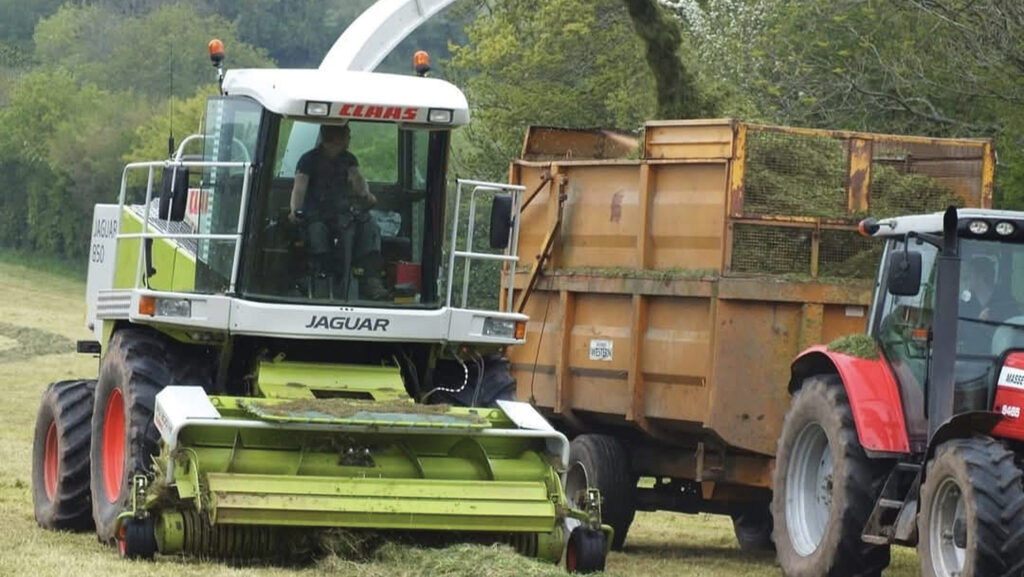
Elsewhere, we visit Devon-based contractor Will Bright, who is running nine well-worked forage harvesters.
He talks through the attraction of buying, running and selling used machines versus new – particularly the bumper savings if you can manage the repairs.
And speaking of repairs – Makita has launched its most powerful cordless drill yet.
FW Transition project
It’s the latest bumper edition of content from our long-running Transition project this week, focused on helping you get to grips with the developments in new farm schemes and much more.
Here are four articles to whet your appetite:
- How low input farming can protect profits as costs rise
- 8 ways to prepare for tighter rules on water quality
- Transition farmer: Slurry lagoon gets the go-ahead
- What the biomethane revolution could mean for UK farms
Reasons to be cheerful
Lets pivot to some positivity – there’s plenty of that still about if you look for it.
I enjoyed this piece from business editor Suzie Horne on why the forthcoming National Planning Policy Framework looks set to make things easier for some farming businesses to build.
And this piece from the livestock team on how running two flocks is helping Powys farmer Neil Davies optimise lamb market potential is a good reminder of how working with the environment – not against it – can help the bottom line.
Who’s up and who’s down?
Feeling down this week are Defra boffins, who have been accused by the Wildlife Trusts of underestimating the number of chickens in the country by the small matter of 25 million birds.
But feeling cheerful are the staff and shareholders of auctioneering giant ANM Group, after the farmer-owned firm revealed it had increased turnover by 20% on the year, with profits rising as well.
Listen to the FW Podcast
Don’t forget to listen to the latest Farmers Weekly Podcast, with Johann Tasker, Louise Impey and Hugh Broom.
In this week’s episode, the team discuss the mounting problems in the arable sector. Plus hear more from Jeremy Clarkson on why he’s looking forward to hosting the Cereals event.
You’ll find it anywhere you get your podcasts, or listen free on the FW website.